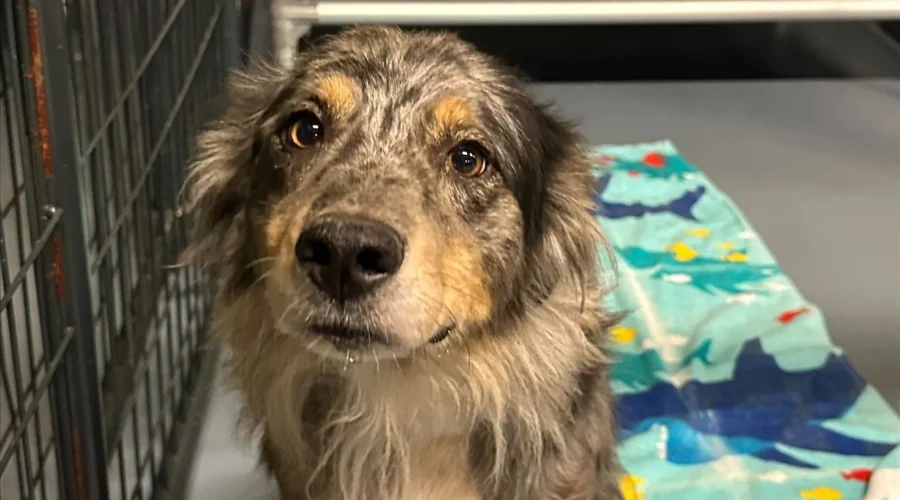
NASHVILLE, TN — Animal Rescue Corps has taken in 86 dogs and two kittens after a large rescue effort involving commercial breeding operations in several southern Missouri counties. The animals were transported to the group’s Rescue Center outside Nashville, where they are now beginning the next phase of care.
The operation came after ARC carried out a mission it named Operation Eclipse. The group said the name came from the lunar eclipse the team encountered while traveling to Missouri. Once the animals arrived in Tennessee, staff began the work of sorting out what each one needs before they can move toward adoption.
Most of the dogs appear healthy at first glance, but ARC says every animal will receive a full veterinary check, grooming, and time to adjust to human care.
How Operation Eclipse brought the animals to Tennessee
Animal Rescue Corps said the dogs and kittens came from commercial breeding operations spread across several southern Missouri counties. The organization did not describe each site in detail, but it said the animals were removed as part of a coordinated transport effort.
The rescue team then brought the animals back to its facility outside Nashville. The transfer marked a major workload for a group already managing a long list of animals from earlier rescues. ARC said the mission was planned while staff were still caring for more than 100 other animals already in its system.
Before the Missouri trip, the organization placed 47 dogs and one cat with animal placement partners. That step helped clear space at the Rescue Center so the new arrivals could be housed safely and cared for without crowding.
What the rescued dogs and kittens need now
ARC says the newest arrivals include poodles, mini Australian shepherds, doodles, dachshunds, and English bulldogs. Many of them are shy, staff members said, and they are still learning what it means to be handled and cared for in a safe environment.
Some animals may need only basic attention and time to settle in. Others will require more involved treatment for medical problems that were never addressed, including dental disease and tumors that may need to be removed.
The group says the adults may have the hardest adjustment. Many have spent their lives isolated, and staff now has to build trust slowly through routine, calm handling, and positive experiences.
Tim Woodward says patience will matter more than speed
Tim Woodward, executive director of Animal Rescue Corps, said the group expects different levels of need across the rescued animals. Some will move quickly through basic care, while others will need more time before they are ready for a foster home or adoption placement.
Woodward said ARC’s job is to help the animals feel safe and begin to replace past experiences with new ones. He said some came in needing little more than basic care, but others arrived with problems that had gone untreated for a long time.
His message also reflected the pressure on rescue groups that work with limited space. ARC said there is always another animal that needs help, and that the work continues even after one major rescue ends.
Cleaning, regrouping, and making room for the next rescue
The Rescue Center had to be cleaned and reset before the Missouri animals could be housed. That preparation came after a stretch in which ARC was already caring for more than 100 rescued animals. Staff had to reorganize space, supplies, and schedules before the new group of 88 arrived.
The organization described the turnaround as part of the reality of animal rescue work. Once one group is stabilized or moved into placement, another emergency may appear quickly. ARC said it keeps making room and finding solutions so it can say yes when help is needed.
That cycle, the group said, is a constant one. The rescue center must stay ready for the next intake while still managing the animals already there.
A new start while the animals wait for homes
The rescued dogs and kittens are now in Tennessee receiving attention, quiet, and structured care. Staff members will continue vetting them, grooming them, and helping them get used to living around people before they are considered for adoption pathways.
ARC said the animals will remain at the rescue center while they recover and prepare for their next chance at a home. The group framed the effort as a fresh start after a difficult beginning in commercial breeding operations.
For now, the work is practical and patient. The animals need medical checks, socialization, and time. ARC says those steps are what will turn the transport from Missouri into a real second chance.
Local stories that matter, from Fairmont Flyer.